







Fintech Product Design Agency


What we build for Fintech


Trading Terminals


Neo-Banking


KYC/AML & Compliance


Payments & BaaS


WealthTech & AI Advisory


Lending & Credit UX
Scenarios we handle.
From regulated MVPs to legacy system rebuilds.
UX & Compliance Audit

Fintech MVP Build
Product Scaling
Product Optimization
Legacy Optimization
Fintech cases.
High-load, data-dense financial products:
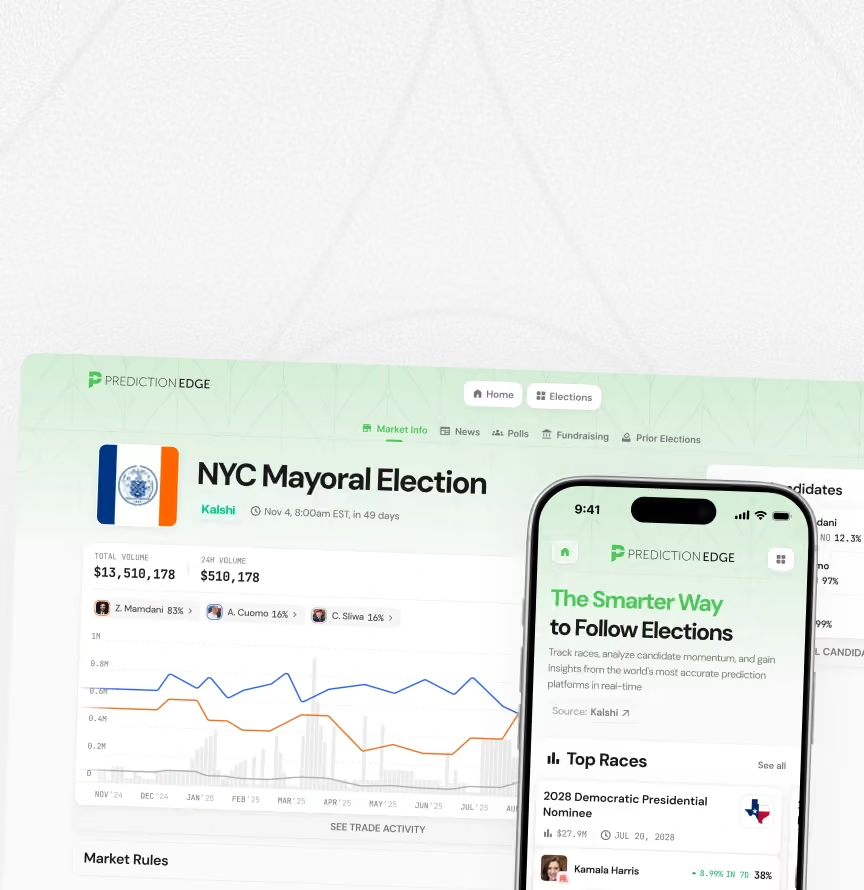


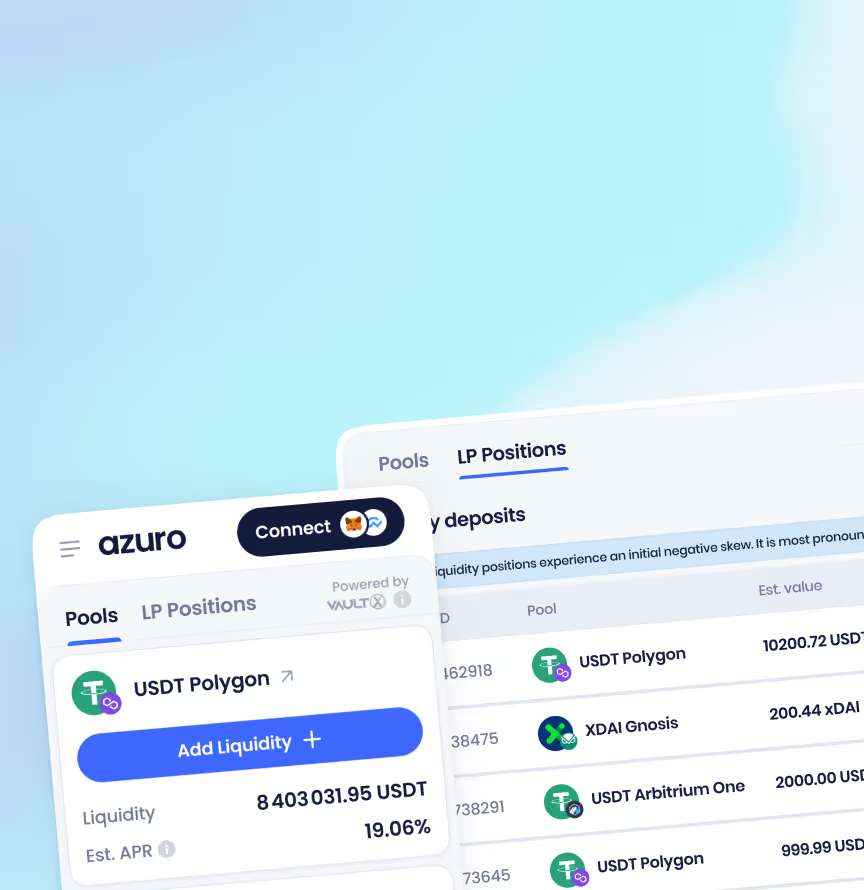

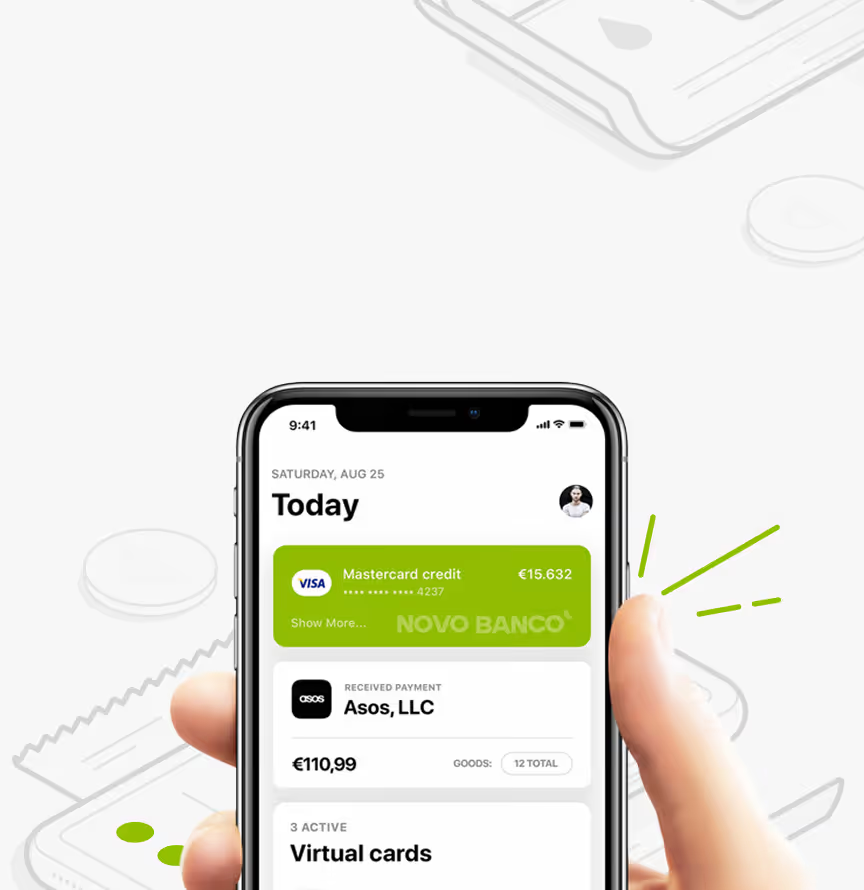



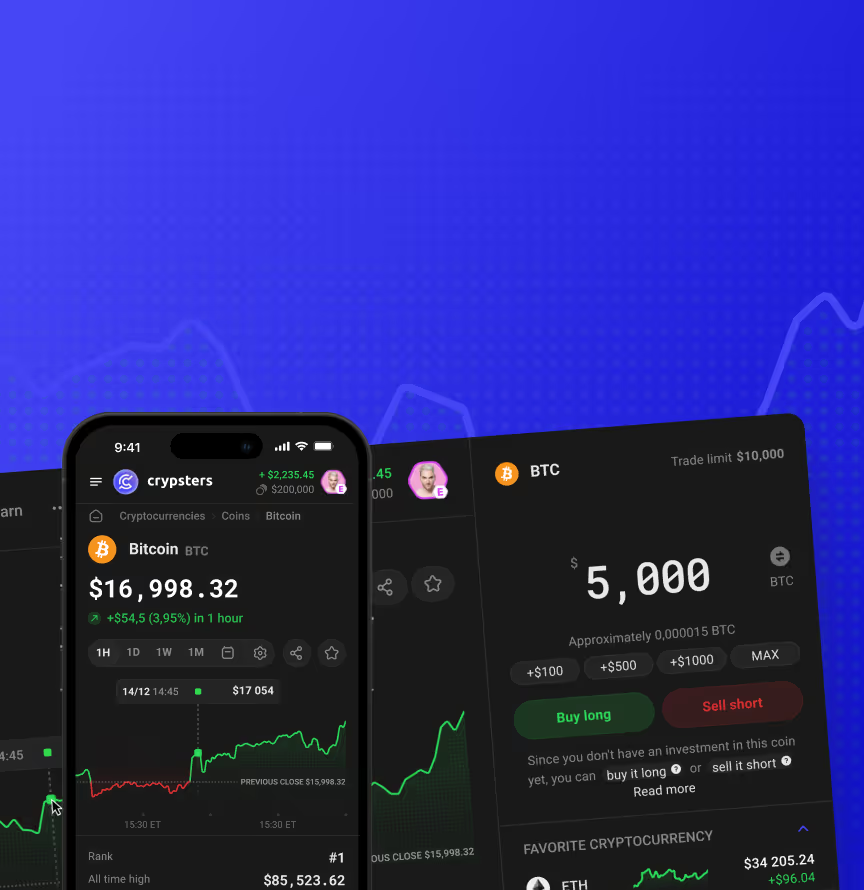

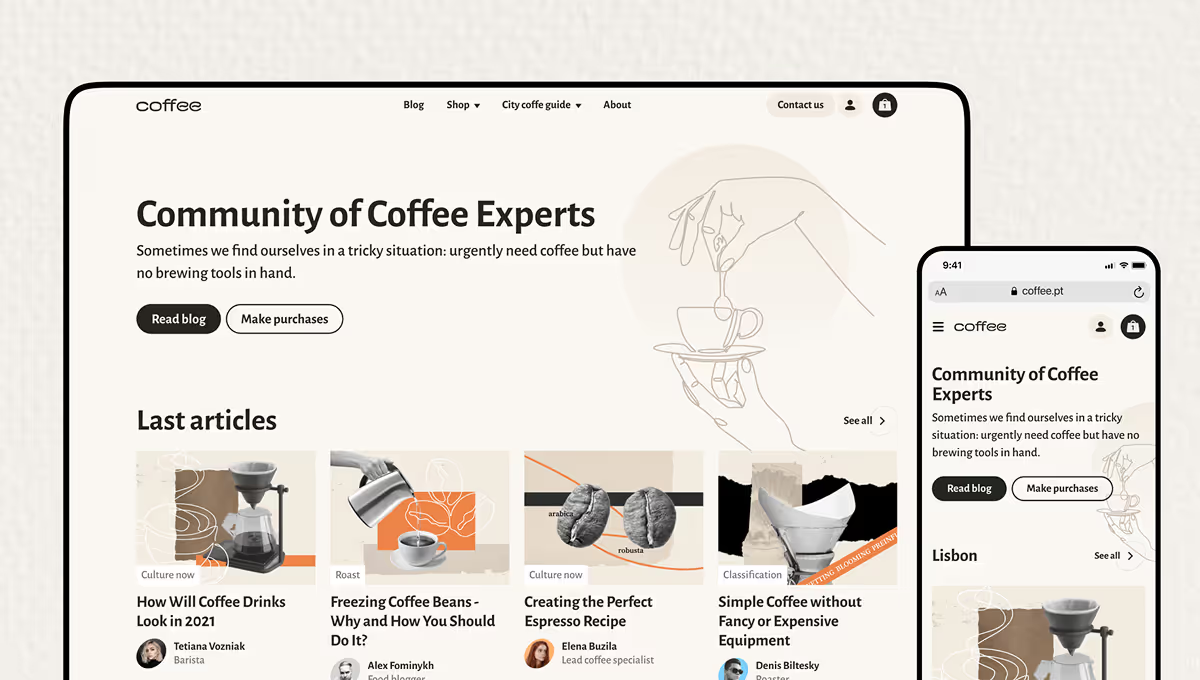

Raise faster. Ship in weeks. Scale without debt. Real numbers. Real products.
Daily Banking & Retention


The Financial Super-App

Every one of these is a design problem with a design solution. Let's solve yours.
Design, compliance & engineering for fintech products.














Enterprise standards. No exceptions.
Built by hand. Shipped for machines.
Ways to work with us.
Matched to your stage, budget, and speed:


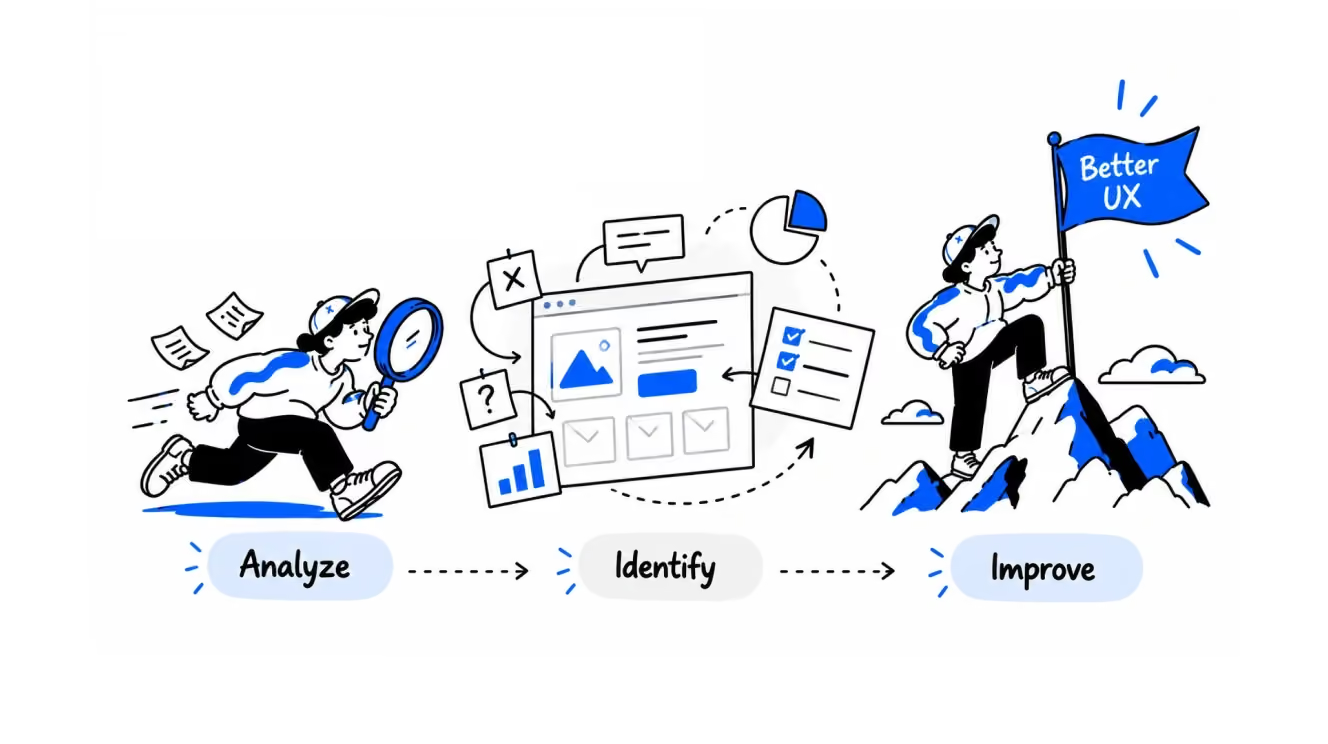
Product Audit & Discovery
Best for. Fintech products with drop-off or compliance friction.
Output. UX/UI audit report + compliance gap analysis + roadmap.


MVP Design & Development
Best for. Seed / Series A fintech teams scaling fast.
Output. New features + design system + compliance-ready components.


Product Rebuild & Redesign
Best for. Legacy banks and mature fintech platforms losing ground.
Output. Rebranding + full UX/UI system + production-ready code.


Dedicated Product Team
Best for. Regulated institutions needing ongoing design capacity.
Output. Embedded team for continuous delivery, compliance updates, and system evolution.
Frequently Asked Questions
What does a fintech product design agency do?
Designs UX, UI, and product architecture for financial products – trading platforms, banking apps, payment systems, and compliance flows – where performance, regulatory compliance, and conversion must work simultaneously.
How do I choose a design agency for a regulated fintech product?
Look for a team that speaks compliance language: PSD2, KYC/AML, audit trails. Flatstudio designs compliance into UX from the start – not retrofitted after launch.
How do you design a trading terminal UI that handles real-time data at scale?
With sub-10ms rendering targets in mind from day one – order books, P&L dashboards, and order management systems built alongside frontend engineers, not handed off after design is done.
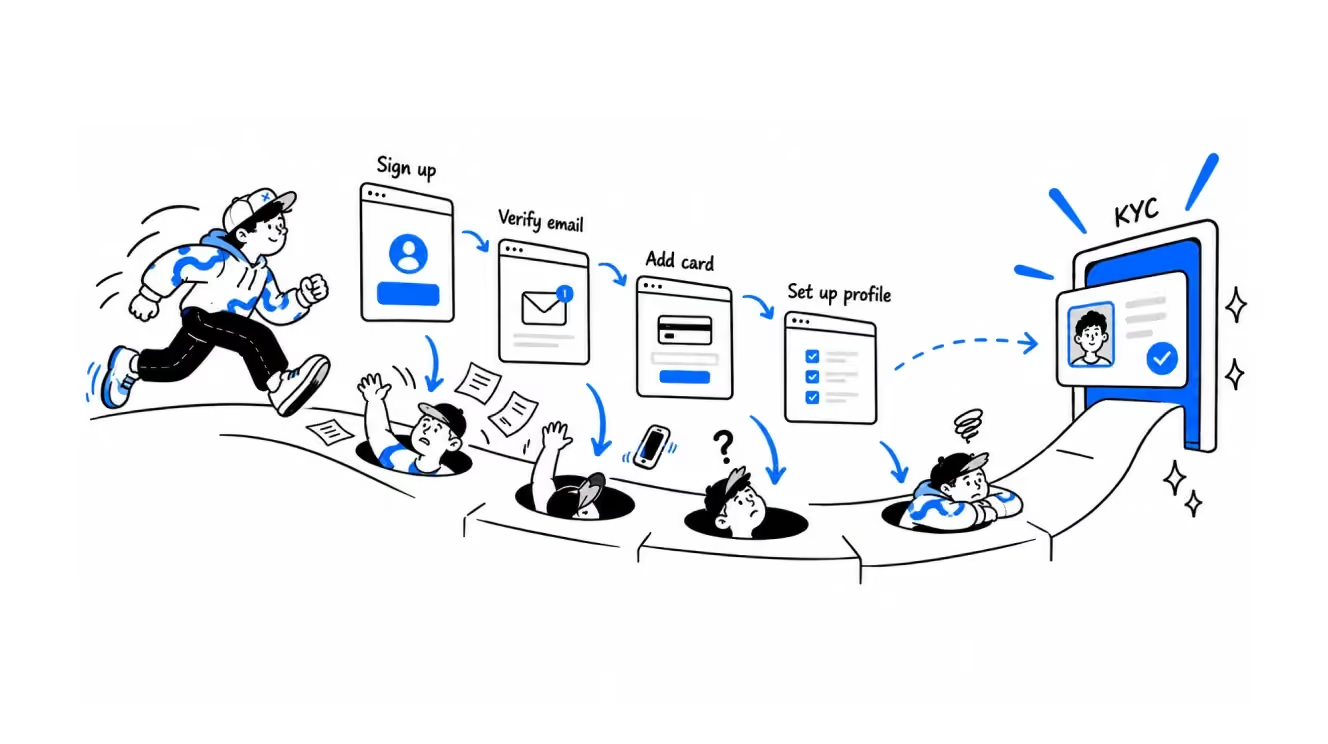
Why does KYC onboarding UX directly affect fintech revenue?
70% of financial institutions lost clients due to poor onboarding (Fenergo, 2025). Every percentage point recovered in KYC completion is acquisition cost saved. We design flows where compliance and conversion are solved together.
How long does it take to build a fintech MVP?
An MVP with design system runs 8–16 weeks depending on scope. We prioritize speed and scalability for funded fintech teams with active timelines.
Which EU regulations affect fintech product design?
PSD2, MiCA, GDPR, KYC/AML, and the European Accessibility Act (WCAG 2.1 AA – now in force). Flatstudio designs with all five built into the brief.
What is the difference between a fintech UX audit and a full redesign?
An audit maps where UX, conversion, or compliance is failing and delivers a roadmap. A redesign executes it. For mature products, always audit before committing to a rebuild.
Does Flatstudio design crypto and Web3 financial products?
Yes – as a background capability. We have experience with crypto exchange interfaces and wallet UX, approached with the same compliance-first principles as any regulated financial product.
How does Flatstudio support a fintech team after launch?
Through a Dedicated Product Team – continuous design capacity for new features, design system maintenance, and compliance updates without in-house hiring overhead.
What does fintech UX and UI design include?
UX: flow architecture, KYC flows, compliance interactions, accessibility, usability testing. UI: design systems, component libraries, trading layouts, data visualization, mobile-first responsive design. Both are inseparable in fintech.
What is the European Accessibility Act and how does it affect fintech?
EAA is now in force across the EU – all financial products must meet WCAG 2.1 AA. Screen reader support, colour contrast, keyboard navigation, and accessible forms are legal requirements. Flatstudio builds to EAA from the first component.
Does Flatstudio use AI tools when working on regulated products?
We use isolated AI environments with zero external data exposure. On request, AI can be disabled for specific tasks or the entire engagement – specified in the brief and fixed in the NDA scope.

