






MVP Design
& Development





.png)
Signs you need an MVP design and development team
Your AI Prototype Hit Its Limit. Shipping features takes weeks.
Budget, Not Time. Every week without a shippable product burns runway.
No Design Partner, Just Freelancers. Disconnected screens and logos – not one product.
What's in the Pack
Product Logic & Architecture
Core Product UX/UI
Dev-Ready Design System
Development via Push (optional track)
Launch Support & Design QA
Transformation
From day 0 to a live product

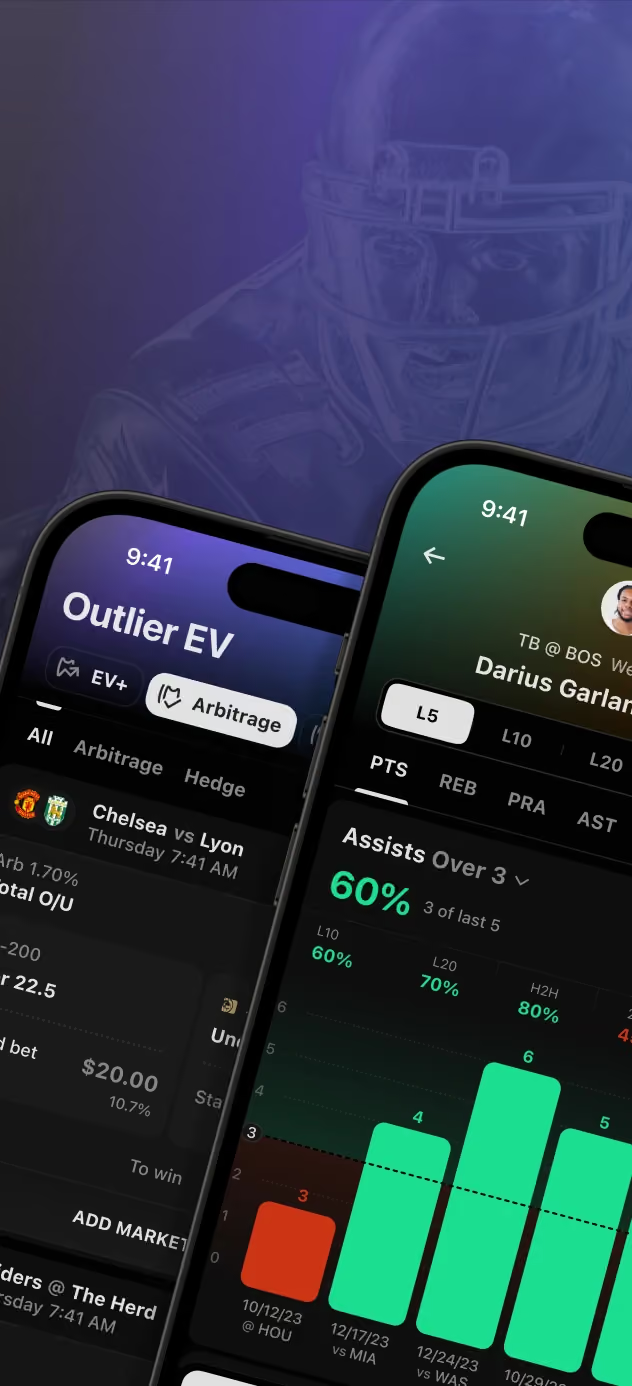
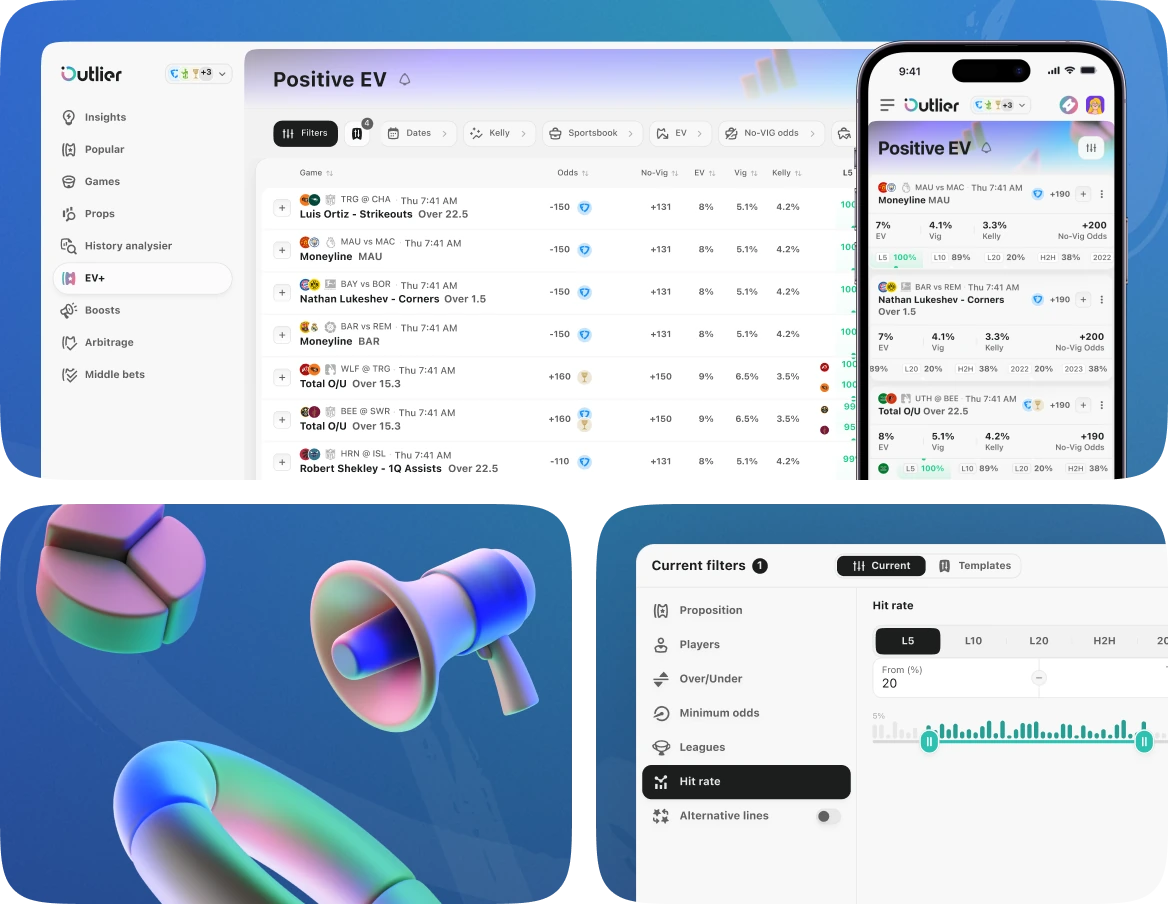
Outlier
From wireframes to a Series A platform

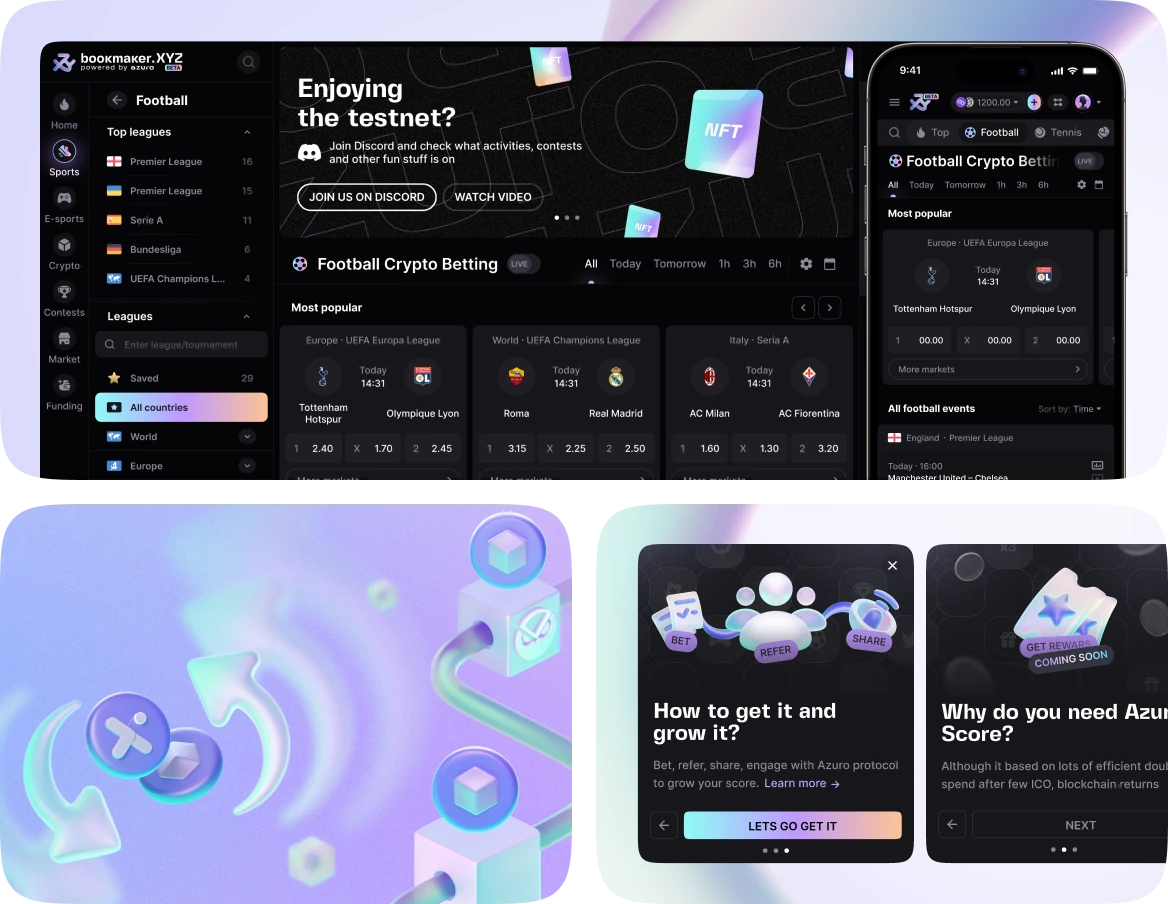
Bookmaker.XYZ
From complexity to the #1 app on its protocol
How MVP Design & Development Works
Track A
Track A
— Fixed Scope
Product Architecture
UX & Wireframes
UI & Design System
Handoff & Launch QA
Track B
Track B
Guaranteed minimum
Scale on demand. Roadmap grew?
Weekly rhythm
Two ways to work with us


Fixed Price
Dedicated Team
Numbers from products we shipped



Frequently Asked Questions
Why choose Flatstudio for MVP design and development?
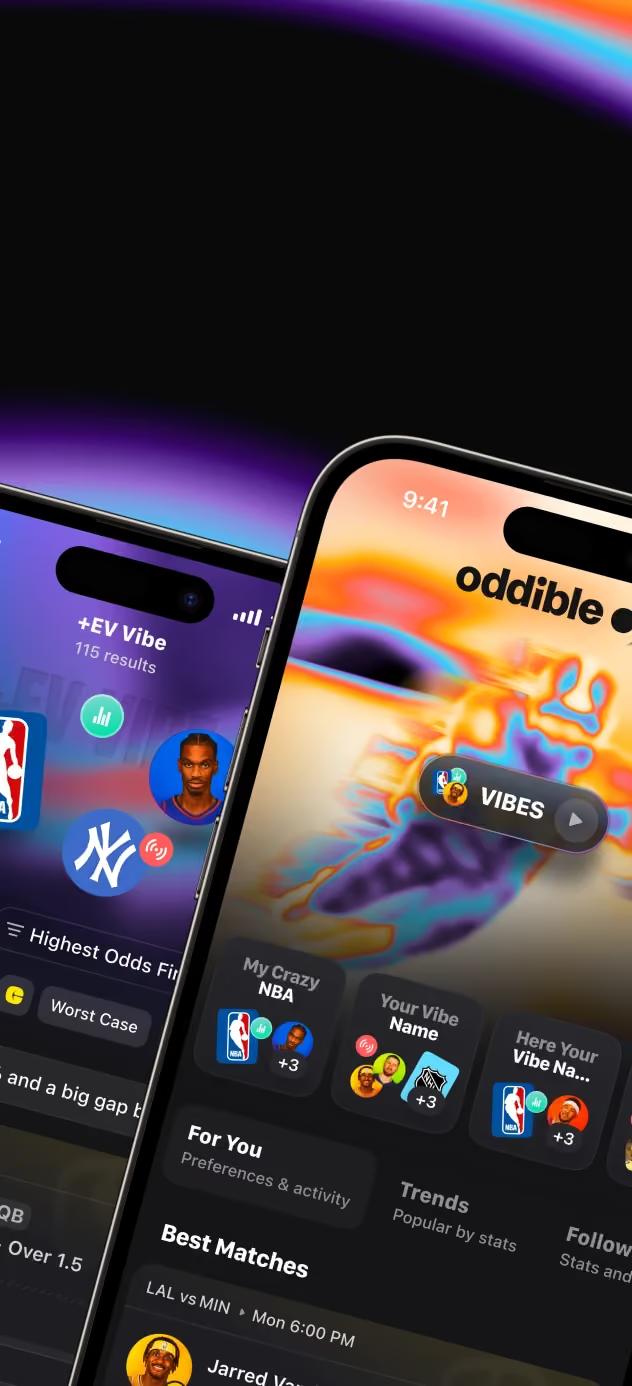
Flatstudio is a product design and engineering studio that designs and builds MVPs for funded startups – from product architecture and UX/UI to a dev-ready design system, with full development available through our engineering partner Push. Teams choose us for launched outcomes: Outlier went from our day-0 wireframes to a $10.7M Series A in December 2025, and Oddible shipped with zero developer clarification cycles.
How much does it cost to design an MVP?
MVP design engagements start from €15,000, depending on product complexity. Complex, multi-platform MVPs go beyond that – we scope precisely after Stage 1 (Product Architecture), so you never commit to an unscoped budget. Design and development together is quoted individually.
How long does MVP design and development take?
From a few weeks for a focused, design-only MVP to a maximum of 6 months for a full design-and-development cycle. We confirm the timeline after Stage 1, once product architecture and scope are locked.
Do you research the market and competitors before designing?
Yes – Market Research and Competitor Analysis are part of Stage 1, not a separate contract. We map how competitors solved your problem and stress-test the core product assumptions before design starts. Eurostavka came to us for a copy of an existing platform – research pointed to an uncontested niche, and the product changed direction entirely.
What happens after the MVP launches?
Two paths. Take everything in-house – IP and documentation are yours, and any team can continue without us. Or keep the momentum with a [Dedicated Product Team](/solutions/dedicated-product-team): the same people who built your MVP execute the post-launch roadmap on a flat monthly model.
We built a rough MVP ourselves with AI / no-code tools. Can you take it from there?
Yes – and it's a strong starting point. Your prototype is validated learning: we treat it as Stage 1 input, rebuild the product architecture around what it proved, and design a system your engineers (or Push) can ship properly.
Can you start from just an idea, or do we need specs?
An idea is enough. Stage 1 exists precisely to turn ambiguity into product architecture – user flows, edge cases, and scope. If you have wireframes or partial specs, we use them and Stage 1 gets shorter.
What do we get at the end of the engagement?
A launched (or launch-ready) product, the full Figma source files, a design system with tokens and component library, developer handoff documentation, and full IP transfer. Everything is documented so any team can continue without us.
What's the difference between Fixed Price and a Dedicated Team?
Fixed Price: scope locked after Stage 1, fixed budget and delivery date – best when the MVP is defined and the deadline is hard. Dedicated Team: guaranteed minimum hours and team members with the ability to scale up within days – best for evolving roadmaps. Same team and process in both.
What industries do you design MVPs for?
Our deepest experience is in sports analytics, iGaming, fintech, and SaaS – data-dense, compliance-aware products. That experience transfers: the hard parts of an MVP – product architecture, complex data UX, onboarding, regulated flows – repeat across industries, and seeing them across several verticals at once is visibility no single in-house team has. It's how we've entered verticals new to us, from MedTech to GovTech, with the same process holding up.
We already have developers. How do you work with them?
Your engineers get design tokens, documented component states, edge cases, and handoff specs mapped to code. We stay available during implementation and run Design QA before release, so the shipped product matches the design.
Do you also develop the MVP, or design only?
Both. Design is delivered by Flatstudio. If you need development, our engineering partner Push builds the frontend, backend, and cloud infrastructure – you contract Push directly with zero markup. If you already have an in-house dev team, they receive a dev-ready design system and full handoff documentation.

